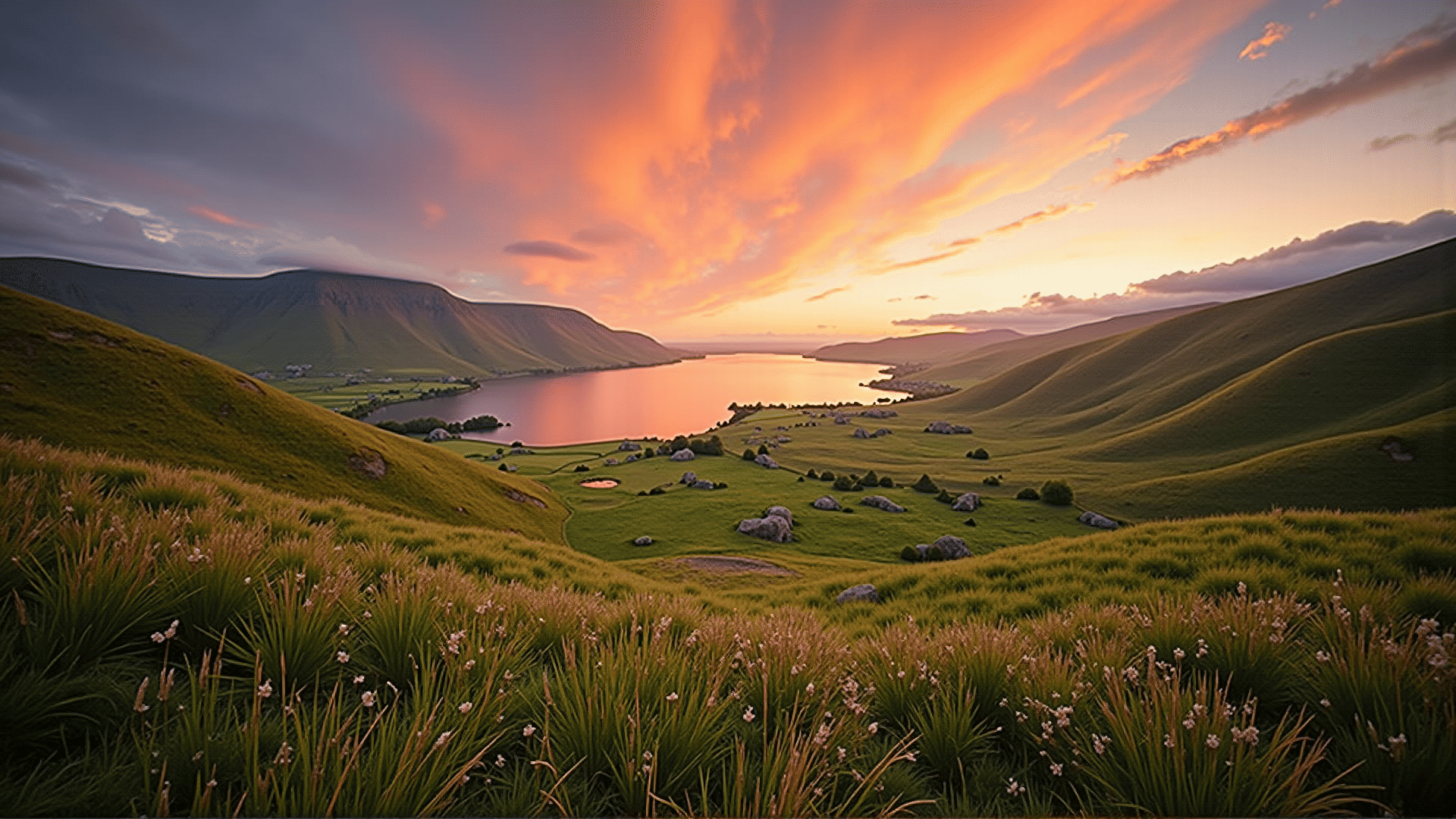
Embarking on the journey of capturing the beauty of the natural world through a lens can be a truly rewarding experience. Landscape photography invites us to explore diverse environments and uncover hidden perspectives within them. Here, we’ll delve into some essential tips that will enhance your skills in this captivating realm.
Composition
Understanding composition is fundamental to creating compelling landscape photographs. By following the rule of thirds, you can bring balance and depth to your images. Imagine dividing your frame into a grid of nine equal parts with two vertical and two horizontal lines. Positioning key elements along these lines or at their intersections can help draw the viewer's eye into the scene.
Additionally, leading lines can give your photos a sense of direction, naturally guiding the viewer through the landscape. Whether it's a winding path, a flowing river, or a row of trees, these lines can enhance the story your photograph tells.
Camera Settings
The proper camera settings are crucial for capturing landscapes with clarity and detail. Typically, landscape photography requires a wide depth of field to ensure that as much of the scene as possible is in sharp focus. To achieve this, use a small aperture (large f-stop number). An aperture of f/8 or higher is often a good starting point.
It's equally important to adjust the shutter speed based on the lighting conditions and the movement within the scene. In situations with ample daylight, a faster shutter speed can prevent overexposure. Meanwhile, for a scene with moving elements such as water or clouds, experimenting with longer exposures can add a sense of dynamism and softness.
Don’t forget about ISO settings, which influence the sensitivity of your camera’s sensor to light. In bright conditions, a low ISO value such as 100 or 200 will maintain image quality. In low-light environments, you might need to increase the ISO, though caution is advised to avoid noise that can detract from the image's clarity.
Creative Viewpoints
Capturing a landscape from unique perspectives can greatly enhance the intrigue of your images. Rather than settling for eye-level shots, try varying your viewpoint. Get down low to the ground to emphasize foreground details, or seek an elevated vantage point to capture the vastness of a scene.
Time of day also plays a critical role in landscape photography. The golden hours, shortly after sunrise and before sunset, provide warm, diffused lighting that adds a magical quality to landscapes. Furthermore, shooting during these times can produce long shadows and soft highlights, enriching the textures within your composition.
Patience and Timing
Great landscape photography often requires patience. Being in the right place at the right time can make all the difference. Pay attention to weather patterns; a storm clearing at dawn can yield dramatic skies and ethereal light. Waiting for the perfect moment, such as when the sun peeks through clouds or casts light over a valley, can transform a good photograph into a breathtaking one.
Embarking on the path of landscape photography is about embracing the art of seeing the world through a creative lens. By focusing on composition, refining camera settings, exploring creative viewpoints, and exercising patience, you'll capture images that evoke emotion and inspire wonder. Whether you find yourself amidst towering mountains or serene coastal vistas, each landscape offers its own story, waiting for you to capture it.