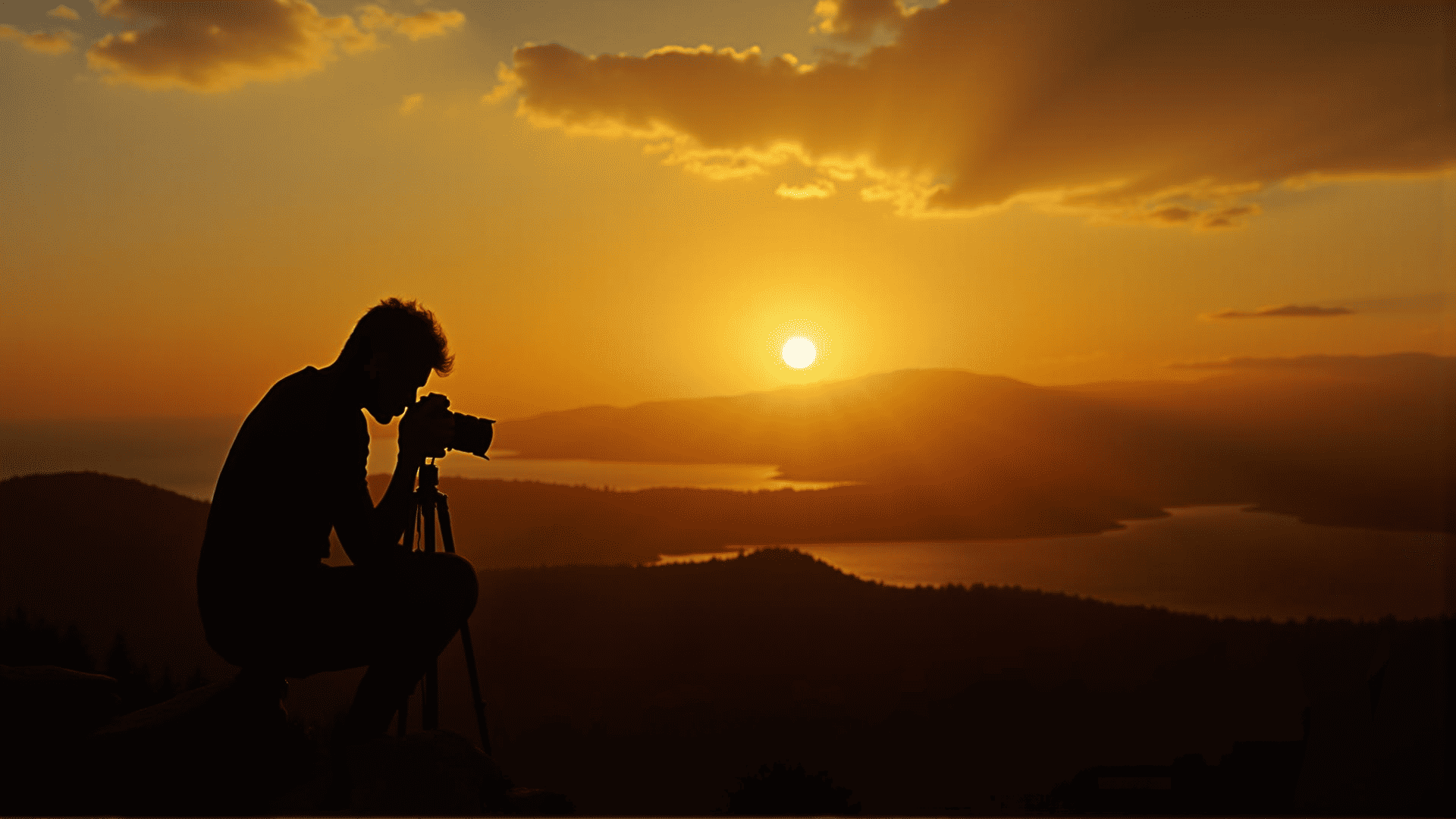
Lighting is a transformative element in the realm of photography, often serving as the fine line between a good photograph and a breathtaking one. Understanding and manipulating light creatively can elevate your photos to a new level, adding depth, texture, and mood to your compositions. Whether shooting portraits, landscapes, or still life, mastering lighting techniques is essential for creating images that captivate the viewer's eye.
The foundation of lighting in photography begins with understanding the different types of light sources available, both natural and artificial. Natural light can range from the warm glow of the golden hour to the diffuse ambiance of an overcast day. Each situation presents unique challenges and opportunities for the photographer. For example, the soft, golden light during sunrise or sunset can highlight textures and details, making it ideal for capturing evocative portraits and landscapes.
Conversely, artificial lighting offers control and consistency, allowing photographers to shape their lighting environment precisely. Studio lights, flash, and reflectors can be adjusted to achieve the desired effects, helping to emphasize specific areas of a subject or set the desired tone. Capturing an image under controlled conditions can enhance the clarity of the subject and add a professional polish to your work.
Different lighting techniques can also dramatically influence the atmosphere of a photo. High-key lighting, which is bright and minimal in contrast, can create an airy, optimistic vibe, often used in fashion and lifestyle photography. On the other hand, low-key lighting, characterized by shadows and contrast, lends itself well to creating dramatic, moody images, often found in portraiture and fine art photography.
Backlighting can add a sense of depth and intrigue, highlighting outlines and creating a halo effect around subjects that can be particularly striking. Similarly, side lighting can accentuate textures by casting shadows, enhancing the dimensionality within the image. Silhouettes are another imaginative use of lighting, where backlighting is harnessed to render subjects in darkness, contrasting starkly with the background.
Mastering these techniques requires a keen eye and a willingness to experiment with different setups and scenarios. Adjusting exposure, aperture, and shutter speed can further refine the relationship between light and shadow, ensuring that each element within the frame is captured with intention.
Practicing with various light sources and observing their effects in different settings can hone your skills. Try shooting the same subject under different lighting conditions and note how the mood and perception of the image change. Such practice not only improves your technical skills but also your artistic vision, allowing you to intuitively decide how best to illuminate your subject for maximum impact.
In conclusion, lighting is a crucial tool in the photographer's arsenal, influencing the emotion and character of an image. By mastering the art of light manipulation, photographers can transcend ordinary scenes to reveal extraordinary perspectives. Embrace the power of light and watch as your images transform, resonating with viewers and telling stories in ways you never imagined possible.