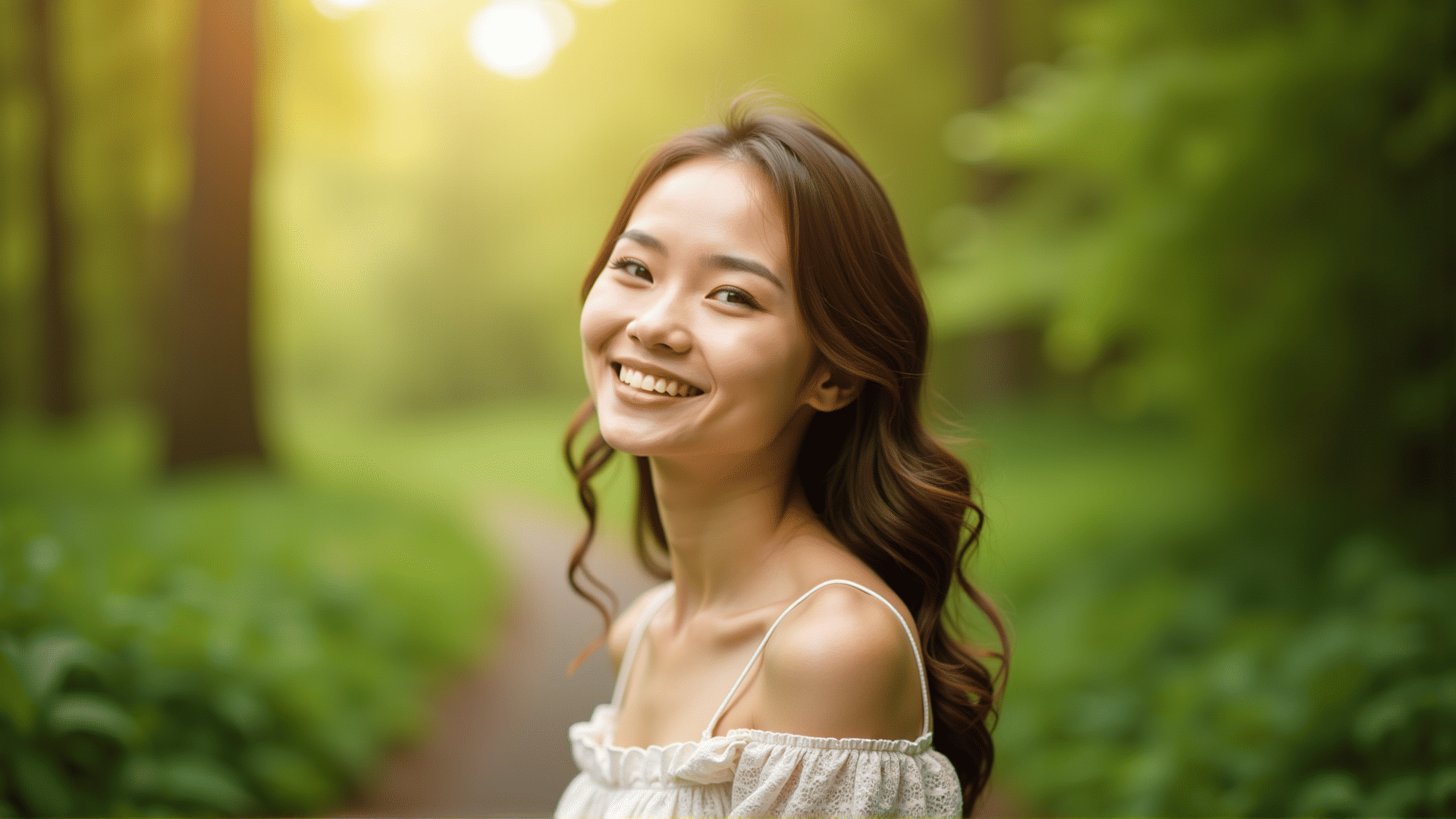
Portrait photography is an art form that captures the unique essence of individuals through the careful use of composition and lighting. These two critical elements work in harmony to create compelling and expressive portrayals that tell stories beyond what words can convey.
Understanding Composition
Composition is a foundational aspect of portrait photography. By strategically arranging elements within the frame, photographers can guide the viewer’s eye and evoke emotional responses. Here are some key techniques to master:
-
Rule of Thirds: Imagine your frame divided into nine equal segments using two horizontal and two vertical lines. Positioning your subject along these lines or at their intersections can lead to more balanced and interesting compositions.
-
Leading Lines: Utilize natural or man-made lines to draw attention to your subject. Roads, fences, and even shadows can guide the viewer’s eye directly to the focal point of the portrait.
-
Framing: Incorporating elements such as doorways or branches to frame your subject can add depth and context to the portrait, creating a visual interest that engages the viewer.
-
Negative Space: Sometimes, less is more. Leaving space around your subject can amplify their presence and emphasize their importance, creating a sense of simplicity and elegance.
Mastering Lighting
Lighting is another vital element that shapes the mood and highlights the character of your subject. Understanding how to manipulate light can transform an ordinary shot into an extraordinary one:
-
Natural Light: Working with the sun, whether during the golden hours of sunrise and sunset or overcast days, can provide soft and flattering illumination. Position your subject to capture the best angles that enhance their features.
-
Artificial Light: When natural light is insufficient, use external flashes or LED panels to control and direct the light. Experimenting with the intensity and direction can help in sculpting your subject’s face, creating dramatic effects or gentle shadows.
-
Backlighting: Placing the light source behind your subject can produce a beautiful halo effect, highlighting their outline and adding an ethereal quality to the portrait.
-
Reflectors: These are invaluable tools for bouncing light onto your subject, especially in shadowy areas, to ensure even exposure across their face. Reflectors can soften shadows and even bring an additional sparkle to the eyes.
Capturing the Essence
Beyond technical skills, capturing the true essence of your subject lies at the heart of portrait photography. Here are some tips to achieve that:
-
Connection: Establish rapport with your subject. Creating a comfortable environment encourages authentic expressions that reveal character and emotions.
-
Posing: Guide your subjects into natural poses that reflect their personality. Encourage movement or adjust angles to avoid stiffness, ensuring the portrait feels genuine and alive.
-
Expression: Pay attention to subtle expressions and gestures that can communicate depth. A slight smile or a contemplative gaze can convey a powerful narrative, making the portrait relatable and intriguing.
By mastering the elements of composition and lighting, and focusing on the unique qualities of your subjects, you can create compelling portraits that resonate emotionally and stand the test of time. Portrait photography is not just about taking pictures; it’s about telling stories through the faces and expressions of individuals, capturing their essence in a single frame.