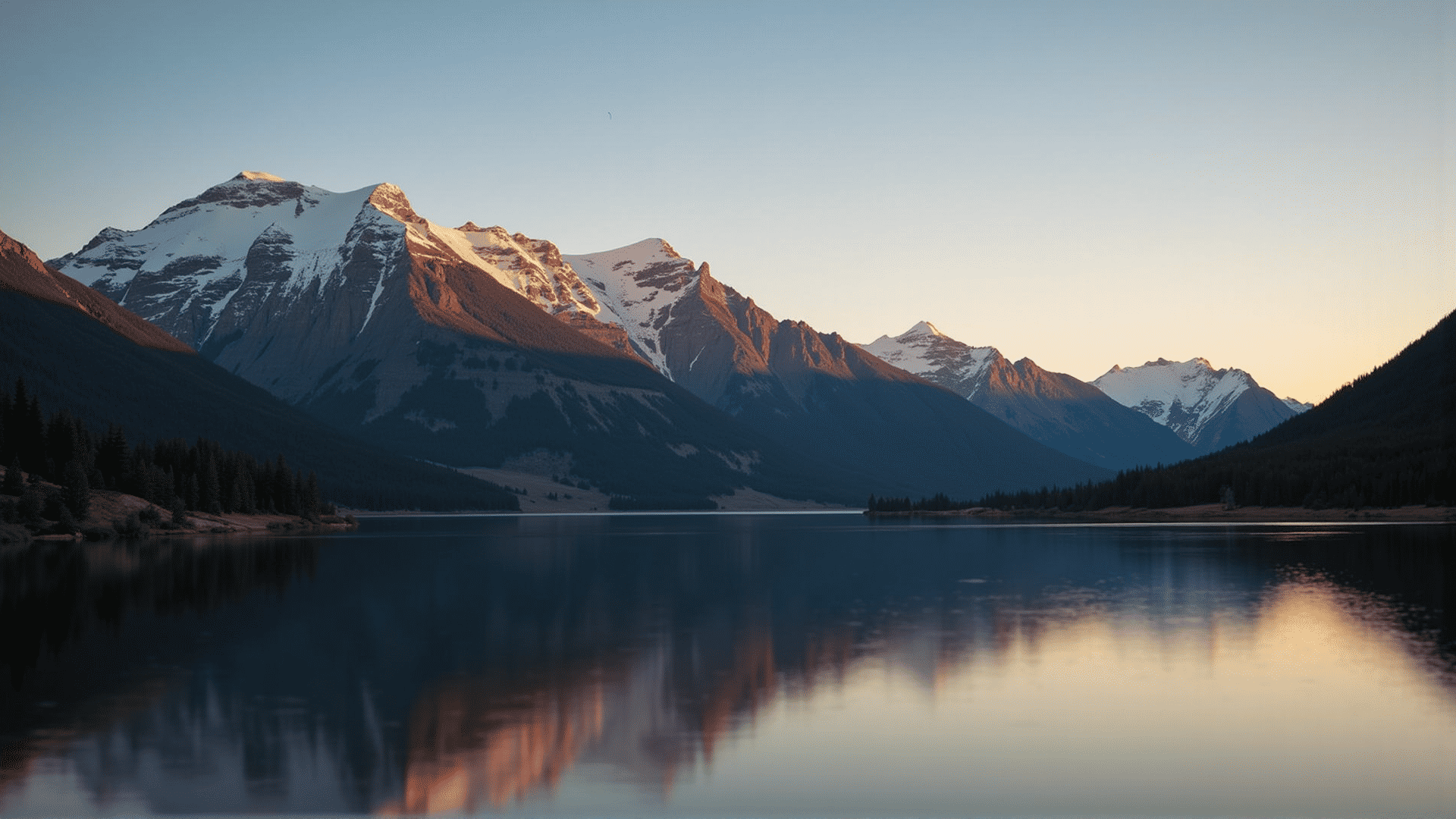
Landscape photography offers an incredible window into the majestic beauty of the natural world. From towering mountains and tranquil lakes to vast deserts and dense forests, capturing breathtaking scenes requires both skill and artistic vision. Let's delve into the essential aspects of landscape photography: composition, lighting, and camera settings.
Composition: The Art of Arrangement
Composition serves as the backbone of a captivating image. In landscape photography, the rule of thirds can guide you in arranging elements of the scene. Imagine dividing your frame into nine equal parts using two horizontal and two vertical lines. Positioning key elements along these lines or at their intersections can create balance and harmony in your shots.
Leading lines are another powerful tool. Look for natural lines that draw the viewer’s eye into the scene, like rivers, paths, or even patterns in the clouds. Including a distinct foreground element can add depth to your photograph, inviting viewers to journey through the image.
Harnessing the Power of Light
Natural light is a landscape photographer's best friend—and sometimes a challenging adversary. The golden hours—shortly after sunrise or just before sunset—offer soft, warm light that enhances colors and textures. During these times, shadows are longer and more defined, providing a dramatic effect that enhances the mood of your photo.
On the other hand, shooting during the harsh midday sun requires special attention. While it may bleach colors and flatten textures, you can use this light creatively by seeking out interesting shadows or backlighting effects. Overcast days, often overlooked, can also yield beautiful, evenly lit shots, bringing out soft hues and intricate details in your scenes.
Mastering Camera Settings
Understanding your camera's settings is crucial for landscape photography. Begin with the aperture, which controls the depth of field. Using a small aperture (a high f-number like f/16) keeps both the foreground and background in focus—a common goal in landscape photography.
Shutter speed is another important control. For static landscapes, a slower shutter speed allows more light to enter and can enhance details. However, if you're capturing moving elements like water, experimenting with slower speeds can create a smooth, ethereal effect through motion blur.
ISO should usually be kept low (around 100 or 200) to minimize noise and ensure the highest quality image. In low-light situations, such as dusk or dawn, you might need to increase it slightly, but be mindful of the noise it can introduce.
Conclusion: Embrace Your Creativity
While technical skills and equipment play essential roles, landscape photography is ultimately about expressing your unique perspective. It encourages patience, persistence, and a deep appreciation for the sublime beauty that nature offers. By mastering composition, light, and camera settings, you can create images that not only depict a scene but also evoke emotion and tell a story. Venture into the outdoors and let your creativity lead the way in capturing nature's grandeur.