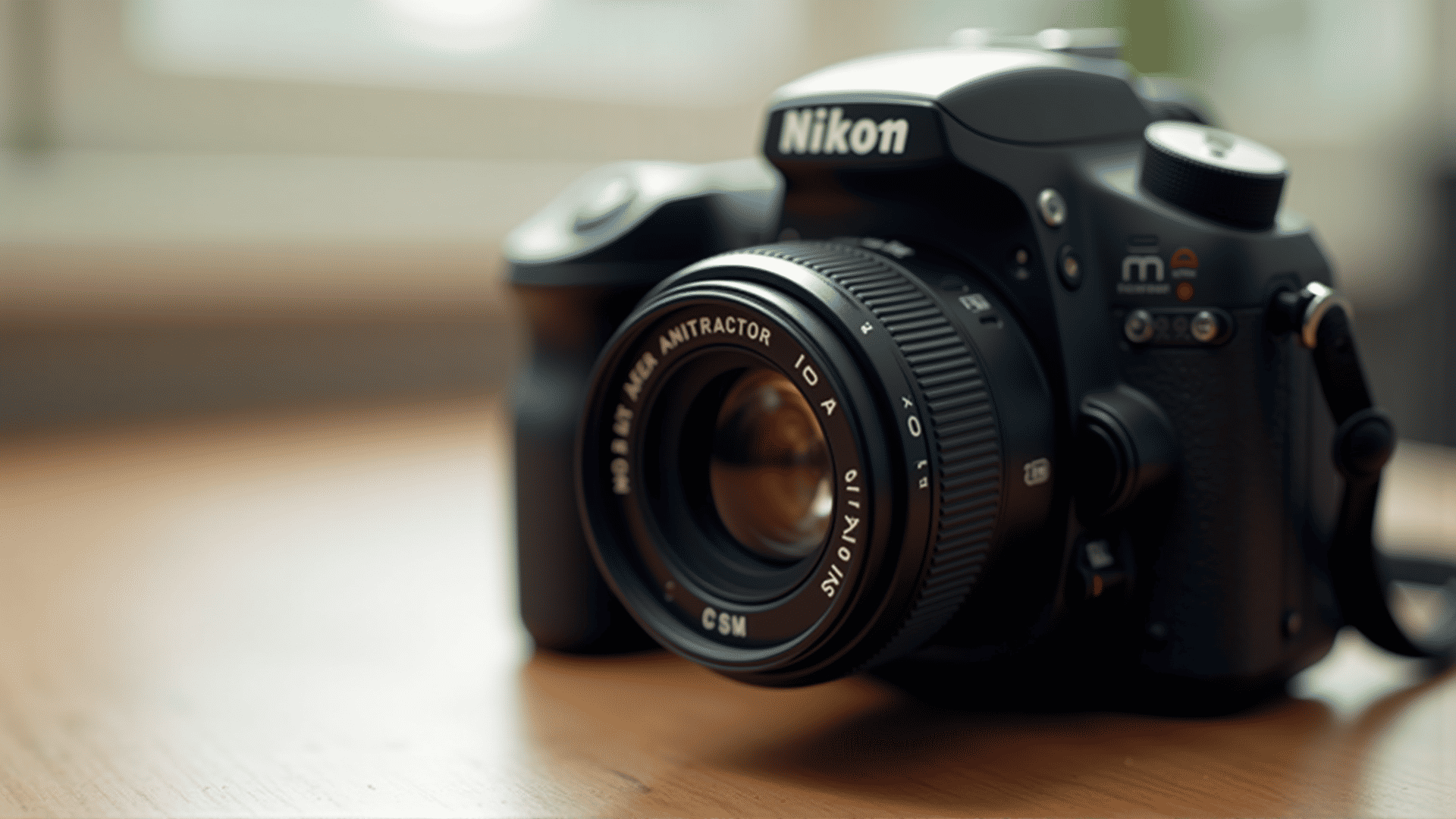
Unlock the full potential of your camera by becoming adept with its various settings. Exploring beyond automatic mode can dramatically enhance your ability to capture stunning photos. By mastering a few key elements, you'll be well on your way to achieving the perfect exposure in your shots.
Understanding Exposure Triangle
The foundation of achieving the correct exposure lies in understanding the exposure triangle, composed of aperture, shutter speed, and ISO. These three elements work in conjunction to control the light that reaches your camera sensor.
Aperture
Aperture refers to the opening in your lens through which light enters. It is measured in f-stops. A lower f-stop number like f/1.8 indicates a wider aperture, which allows more light in, while a higher number like f/16 means a narrower aperture. A wider aperture is ideal for low-light conditions and achieving a shallow depth of field, which makes your subject stand out against a blurry background. On the other hand, a narrower aperture increases the depth of field, keeping more of the scene in focus, which is useful for landscapes.
Shutter Speed
Shutter speed dictates how long the camera's shutter remains open to let light in. It is measured in seconds or fractions of a second. A fast shutter speed, such as 1/1000, is perfect for freezing action, while a slower speed, like 1/10, can introduce motion blur, allowing for artistic effects like capturing the flow of water. Adjusting shutter speed appropriately helps ensure your images don't suffer from blur caused by the camera shaking.
ISO
ISO denotes the sensitivity of your camera sensor to light. A lower ISO value such as 100 creates the highest image quality with minimal noise, suitable for bright conditions. Higher ISO settings, such as 1600 or beyond, increase sensitivity for low-light environments but introduce noise. Balancing ISO with your aperture and shutter speed is crucial to maintain image clarity while adapting to available light.
Putting It All Together
By adjusting these settings, you have the creative freedom to dictate not only the brightness of your image but also its mood and style. Experimenting with different combinations of aperture, shutter speed, and ISO can yield varied and intriguing results. For instance, opening the aperture wide while increasing shutter speed might give you bright, crisp portraits with blurred backgrounds.
Practice and Experimentation
The key to mastering camera settings is practice. Try out different setups and observe how each affects your image. Use different environments, lighting conditions, and subjects to explore the full capabilities of your camera's manual settings. Patience and persistence are vital. With time, you'll develop an instinct for the right settings in any situation.
Conclusion
Unlocking your camera's full potential through mastering its settings requires a basic understanding of the exposure triangle and a willingness to experiment. By gaining control over aperture, shutter speed, and ISO, you can creatively influence your photographs’ exposure, depth, and motion. Whether you’re capturing a fast-moving event or a tranquil landscape, mastering these components will help you achieve your desired photographic style.